

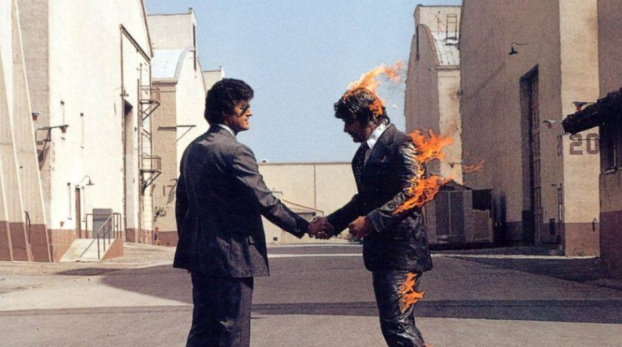
Fifty years ago, on September 12, 1975, the British rock band Pink Floyd released its ninth album, Wish You Were Here. Despite being most popular in the 1970s, Pink Floyd has maintained a devoted fan base that continues to grow, especially among Generation Z. While the group is best known for its iconic album, Dark Side Of The Moon, the anniversary edition of Wish You Were Here highlights the genius of their wider catalog more than ever.
Although the album officially reached its fiftieth anniversary in September, the band marked the milestone on December 12, 2025, with the release of a special 50th anniversary edition. Available in physical formats such as a Deluxe Box Set and through digital streaming platforms like Spotify, the release features three discs: remastered original tracks, bonus demos and alternate versions, and live recordings from the Los Angeles Sports Arena in 1975. Together, these additions offer the perfect excuse to reexamine a rock classic.
When most people think of Pink Floyd, they picture the sparring leading men, David Gilmour and Roger Waters. However, neither was the group’s original frontman. That role belonged to Syd Barrett, who appeared on only the band’s first two albums, The Piper At The Gates of Dawn (1967) and A Saucerful Of Secrets (1968). Barrett’s departure, fueled by mental health issues and abuse of psychedelic drugs, left an indelible mark on the band; it is one that is most clearly explored in Wish You Were Here.
True to Pink Floyd’s notoriety for lengthy songs, “Shine On You Crazy Diamond” spans nine parts and over 26 minutes. Divided into Parts I-V and VI-IX, this tribute to Barrett serves as both the album’s opening and closing piece. Admittedly, I have always had a hard time listening to this song, as even when split in half, each piece is over ten minutes. In order to write this article, though, I both did my research on the real-life backstory and paid deeper attention to the lyrics for the first time. After hearing Barrett described as “caught in the crossfire between childhood and stardom,” I won’t be able to rest until everyone else appreciates this song as well.
As if 26 minutes weren’t enough, the title track of Wish You Were Here is also largely about Barrett. “Wish You Were Here” is the most popular track on the album and the one that I have personally favored for the longest. Though we have our fair share of disagreements when my taste for Broadway clashes with his for rap, my love for this song and Pink Floyd in general was passed down by my father. To the band, this song may be about Barrett, but the haunting notion that a lost loved one should be there is a feeling applicable to many people’s lives. If I could recommend a single song to a person who had never heard Pink Floyd before, it would be this one.
Alongside grief for their missing bandmate, Pink Floyd also delivers sharp criticism of the music industry in this album. Songs such as “Welcome to the Machine” and “Have a Cigar” condemn the industry’s tendency to prioritize profit over artistry, while expressing the pressure and isolation the band experienced under fame. For many listeners, this disillusionment can be interpreted more broadly as a critique of society itself. After all, who among us doesn’t have a bone to pick with “the machine”?
In my opinion, the greatest albums, like the greatest books and films, succeed by operating on both personal and societal levels. In Wish You Were Here, Pink Floyd blends mourning for Syd Barrett with a criticism of the music industry to create a remarkably balanced and enduring work of art. To celebrate the fiftieth anniversary of this album, I encourage everyone to take a deeper look into this piece of rock and roll history and experience all that it contains.