

On October 1, 2025, the United States began its longest government shutdown in history. The shutdown left millions of federal workers without pay, limited access to food for low-income homes, and caused widespread flight delays. The shutdown began because Congress failed to agree on a spending plan that both the House of Representatives and the Senate approved before going to the President. Throughout the negotiations, Democrats remained united in prioritizing the extension of health care subsidies for millions of Americans to prevent rising health care costs (NPR). Republicans were determined not to change any part of President Donald Trump’s 2025 Tax Act, the One Big Beautiful Bill, which had cancelled these subsidies. Halting negotiations, Speaker of the House Mike Johnson sent House members home on September 19, 2025, until the end of the shutdown.
Finally, on November 12, the House, back in session, voted to end the shutdown. A funding package made its way through both the House and the Senate. The package provides money for the majority of federal offices and ensures SNAP (food aid) receives the financial support it needs in order to continue operating. It also guarantees back pay for all federal workers affected by the shutdown, including the reinstatement of anyone fired during the government closure. However, this deal only lasts until January 30, 2026. If Congress cannot agree on a full spending plan for the federal agencies by then, another shutdown could begin.
Air traffic controllers, who were required to work without pay over the 43-day shutdown, will now receive their full back pay after many called in sick, contributing to flight delays. In addition, the Department of Homeland Security issued $10,000 bonus checks to Transportation Security Administration employees who demonstrated exemplary service during the shutdown (BBC). Although the government has reopened, it will still take several days for airports to return to normal as workers gradually return.
Low-income families relying on SNAP benefits received only partial payments during the shutdown because the Supreme Court permitted the Trump administration to temporarily withhold the funding of pending legal hearings (BBC). With the government reopened, families will once again receive their full benefits.
One federal program that will take longer to stabilize is LIHEAP (Low Income Home Energy Assistance Program), a heating assistance program used by roughly six million low-income households. With winter coming, many homes may be left without heat for several weeks while funding is restored.
Throughout the shutdown, around 1.4 million federal workers went unpaid.. Members of Congress, however, continued receiving their salaries. National law enforcement was still running as normally as possible. Social Security/Medicare checks were still administered, and mail was being delivered. In addition, military troops were paid from money taken from research funds and donors.
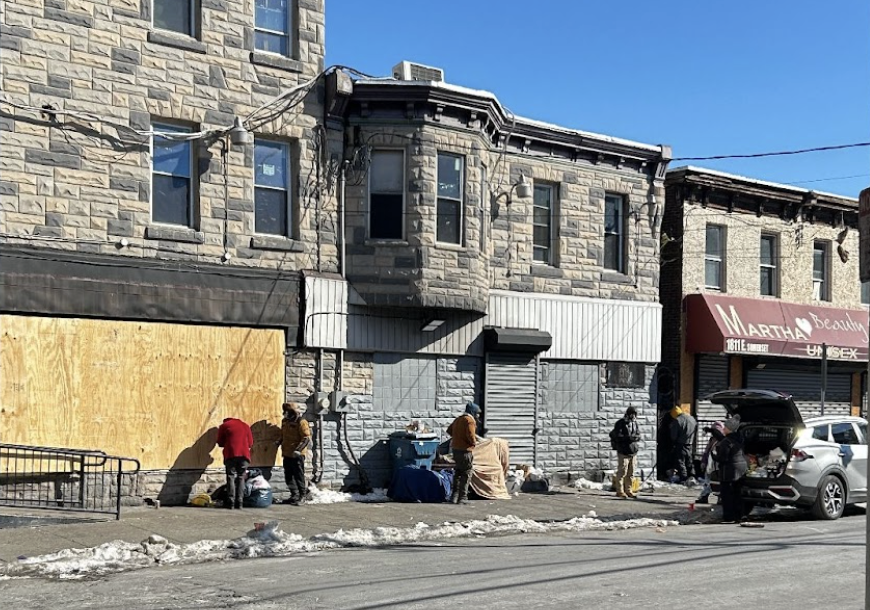
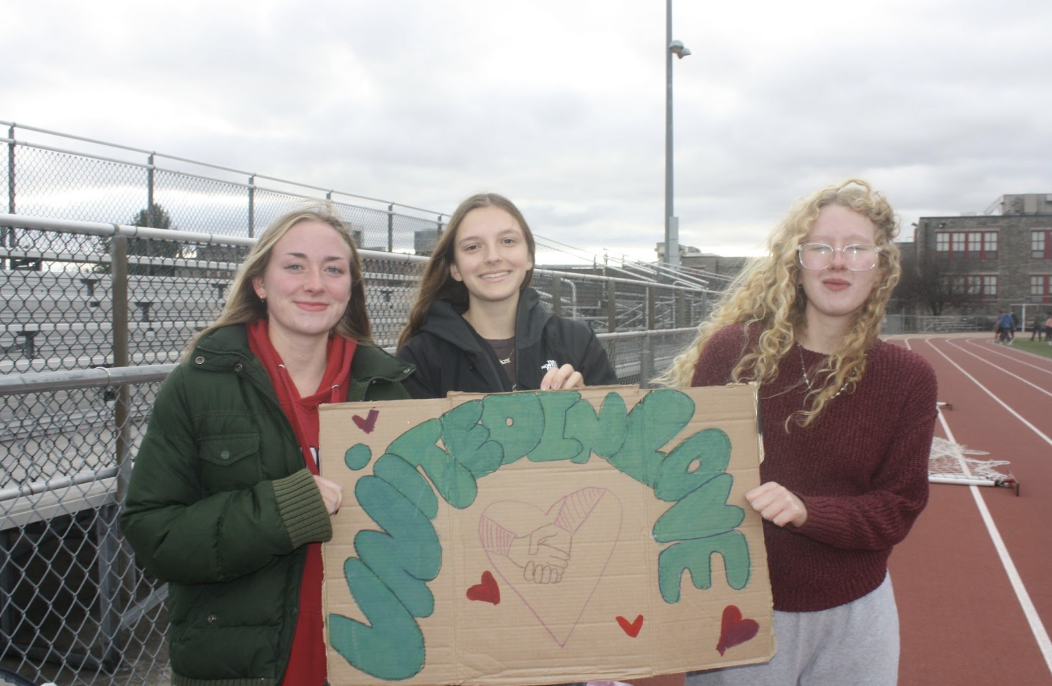
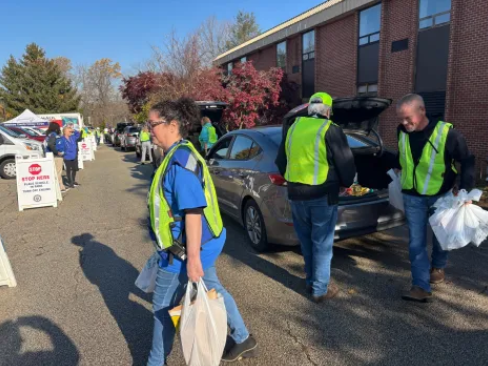
Like the rest of the United States, many residents of Havertown were negatively affected by the shutdown. The transportation issues left residents stranded when flights were cancelled. Havertown residents lost their SNAP food benefits. Haverford’s service clubs and organizations organized food drives to help their neighbors as Thanksgiving approached. And anyone who worked for the Federal government did not get paid.
Now that the shutdown has finally ended, it has been for nothing. The health care issue still has not been resolved, but the Democrats saw no hope for the Republicans to cave after 43 long days. The Democrats realized that no negotiations were going to happen, but fortunately, the topic of health care has been elevated, and the Democrats brought an end to the longest government shutdown in U.S. history.